
Landscaping Guides
Plain, useful guides on choosing, buying, and installing landscape rock. Coverage math, material comparisons, step-by-step projects, and design ideas from our California yards.
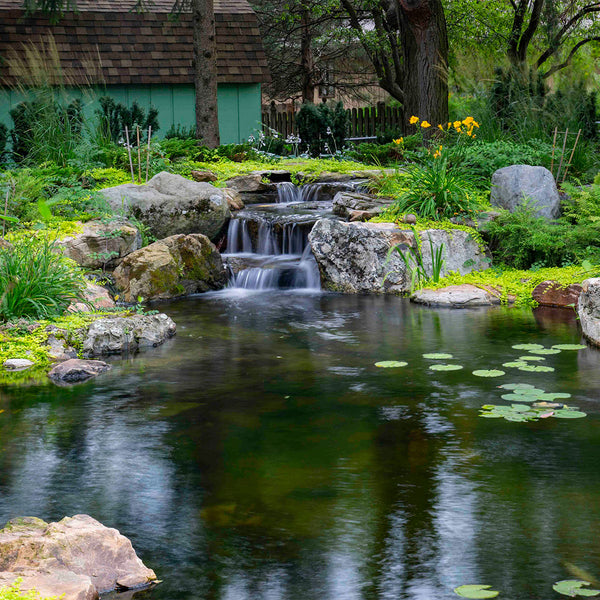
How to Build a Backyard Pond: A Step-by-Step Guide
Dig the pond in shelves, line it with underlayment and fish-safe EPDM, and size the pump to circulate the whole volume at least once an hour. A step-by-step guide to building a backyard pond or water garden.
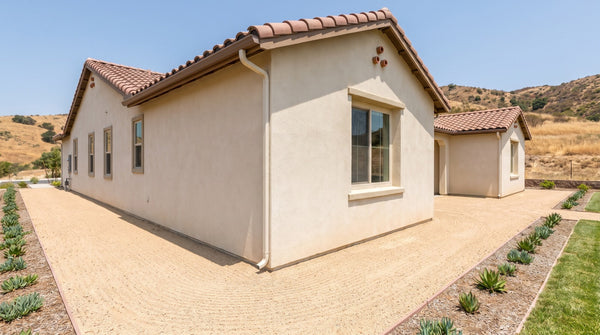
CAL FIRE Zone 0: What Goes in the First Five Feet
California's Zone 0 rule bans bark and mulch within five feet of a house and calls for noncombustible ground cover instead. What the rule actually says, what it does not say, and which materials comply.
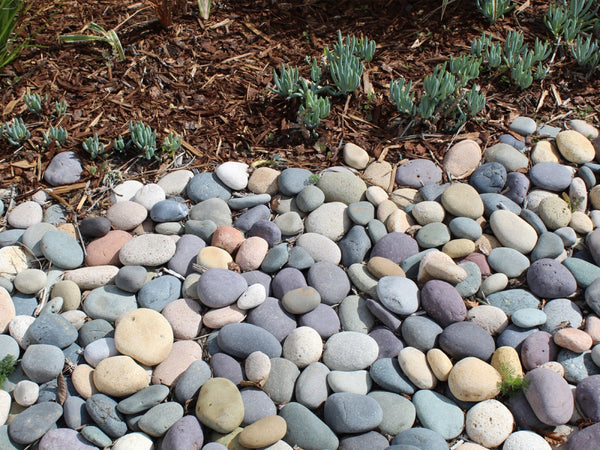
Mexican Beach Pebble Sizes: Which Grade for Which Job
Mexican beach pebbles run from 1/4 inch Criva up to 12 inches, and the stone changes character as it gets bigger. Photographs of every grade plus what each one is actually for.
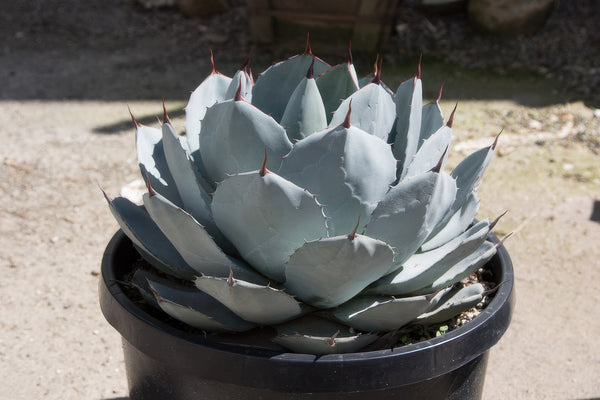
Plants by USDA Zone: Zone 9, 10 and 11 in California
What a USDA hardiness zone actually tells you, which California zones our yards sit in, and which plants belong in zone 8, zone 9 and zone 10 to 11.
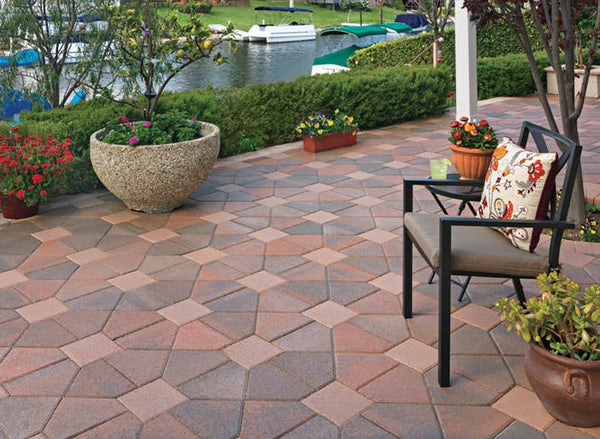
How to Install Pavers: Base Depth, Bedding Sand, Edging and Compaction
Dig to the full depth, compact 4 to 6 inches of Class II road base for a patio or 8 to 12 for a driveway, screed 1 inch of bedding sand, lay to string lines, restrain the edges, compact, and lock the joints with polymeric sand. Depths, materials and California soil notes.
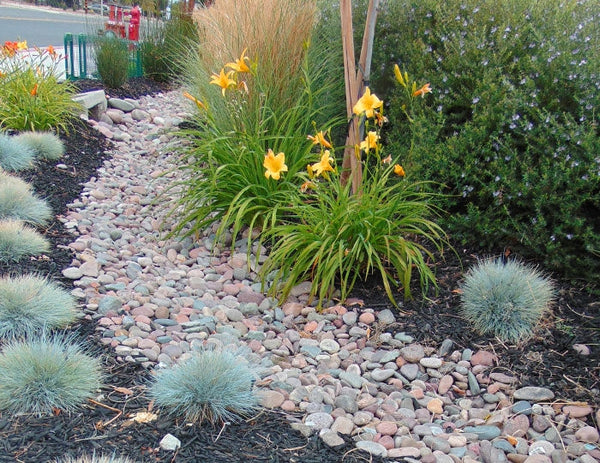
Can You Use a Leaf Blower on Landscape Rock? Yes, Here Is How
Yes, a leaf blower works on landscape rock. Which setting to use on river rock, gravel, pea gravel and DG, the technique that keeps the stone in the bed, and what to do about wet leaves.
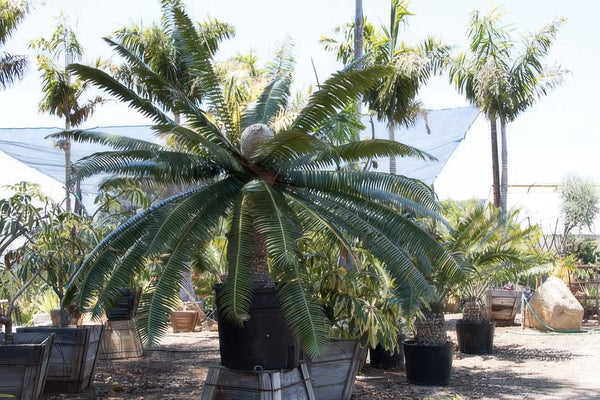
What Are Cycads? Cycad Plant Care and Palm Comparison
What are cycads, how cycad care differs from succulents, how to tell a cycad plant from a palm, and why a specimen costs what it does.
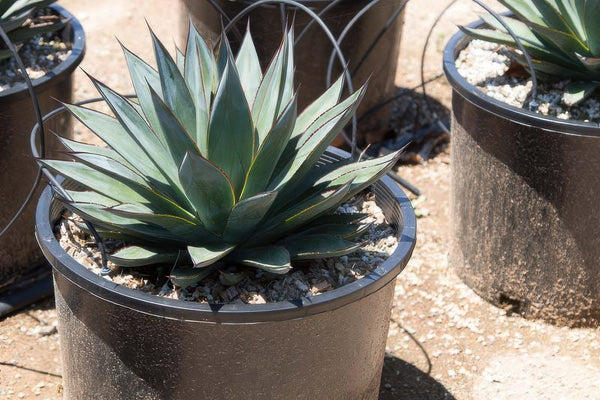
Agave Plant Care: Sun, Drainage and Choosing an Agave
Agave plant care made simple: full sun, sharp drainage, rare water and no feed. Plus spacing, monocarpic flowering and Agave americana.
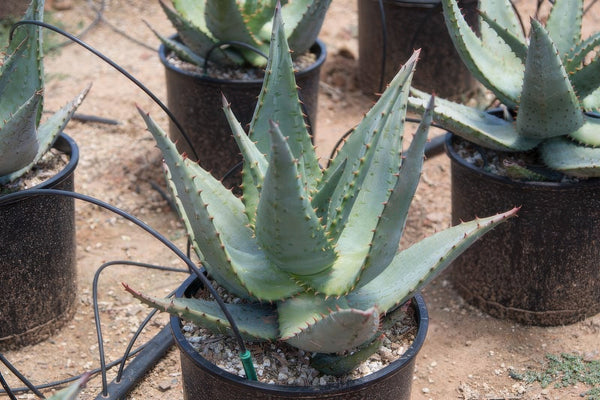
Aloe Plant Care: Growing Aloe Outdoors in California
Aloe plant care in plain terms: sun, drainage, watering and the different types of aloe plants, from low clumping forms to tree aloes.
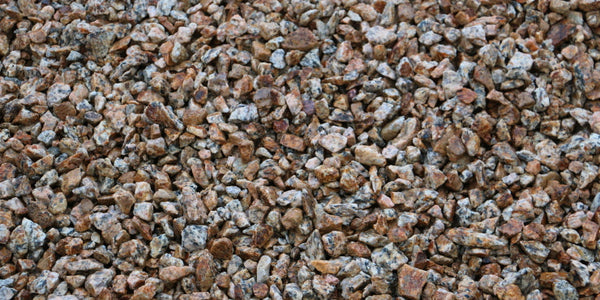
Upload a Photo and Design Your Yard Free
All it takes is one good photo. ESR's free AI Landscape Visualizer redesigns your yard from a picture you upload, keeps your house the same, and gives you a materials list to order from.
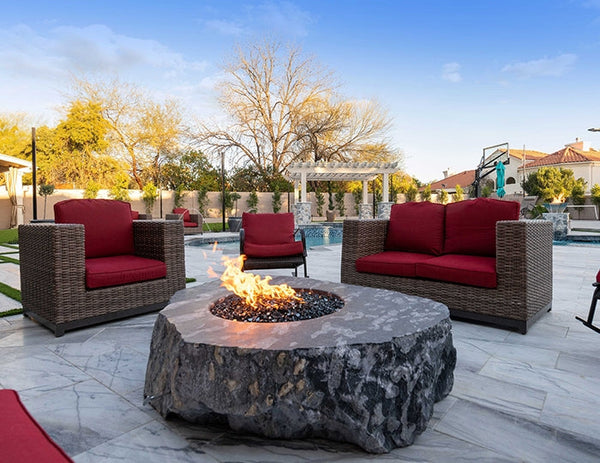
AI vs Hiring a Landscape Designer
A free AI tool and a human designer do different jobs. The AI is a fast, free way to visualize and plan. A pro handles grading, drainage, permits, and complex builds. Here is how they compare.
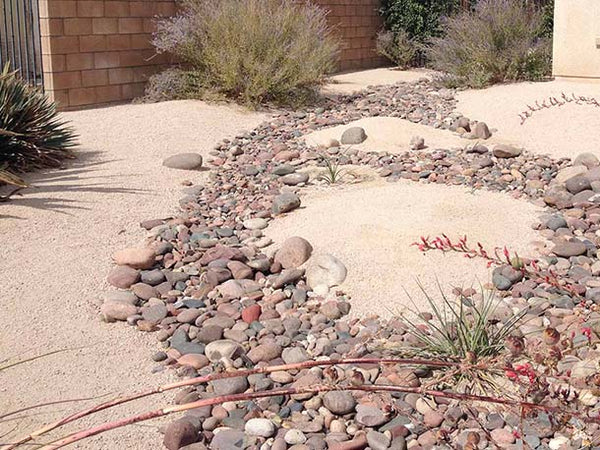
10 Front Yard Makeover Ideas to Create with AI
Ten front yard style directions you can generate in ESR's free AI Landscape Visualizer, with the ESR materials for each and what to type into the tool.
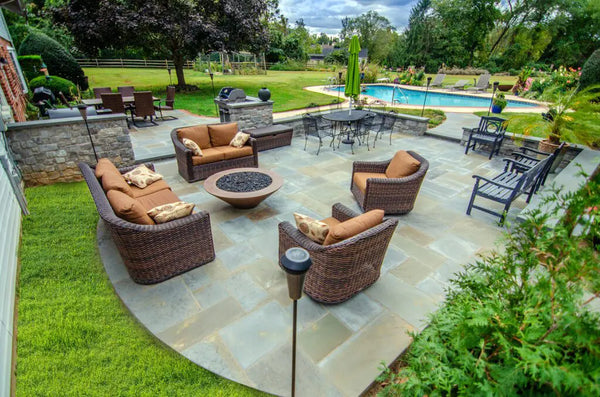
Before and After AI Landscape Designs
ESR's free AI Landscape Visualizer shows a before-and-after slider that keeps your house the same and changes only the yard. Here is how to read it and use it to decide before you buy.
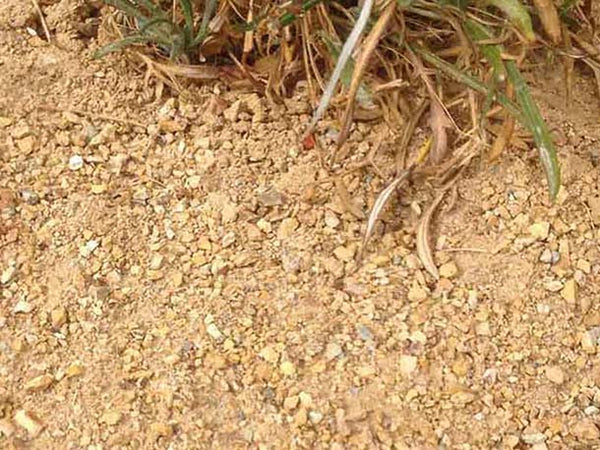
How to Design Your Yard with AI
Upload a photo of your yard, describe the look you want, and the free ESR AI Landscape Visualizer redesigns the yard while keeping your house the same. Here is how to use it and get a good result.
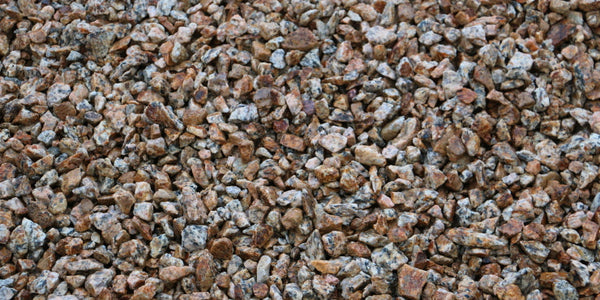
Best Landscape Materials for Drought-Tolerant California Yards
The materials that replace a thirsty lawn in California: decomposed granite for paths, landscape rock and gravel for ground cover, river rock for dry creek beds, boulders for structure, bark mulch in beds, and synthetic turf for a low-water lawn.
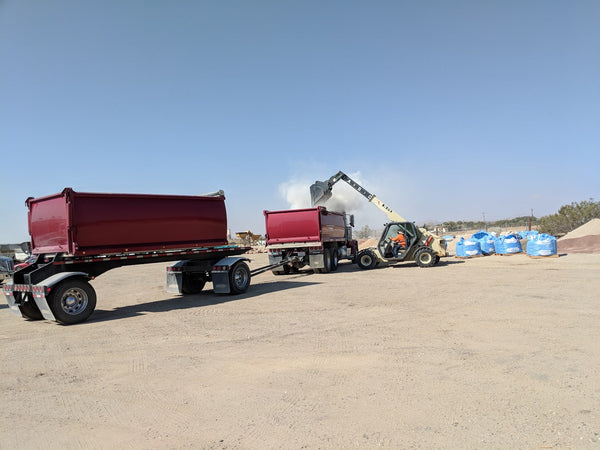
Bulk Landscape Rock Delivery: What Homeowners Should Know
Bulk landscape rock is sold by the ton and delivered by truck. Enter your ZIP to see an estimated delivery cost before checkout, measure first, and pick up at the yard for the lowest cost.
Best Gravel for a Driveway
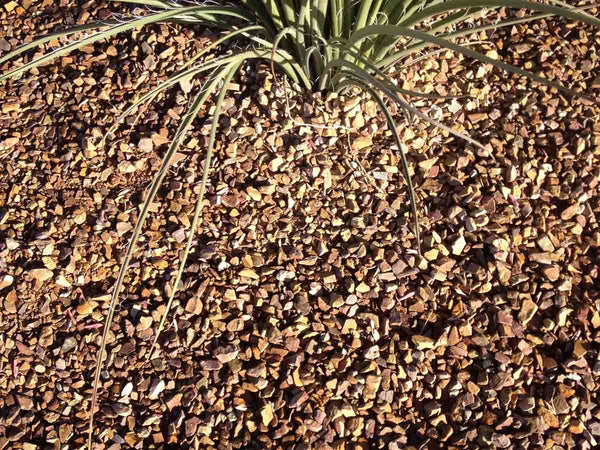
The best driveway is a compacted road base topped with about 3 inches of 3/4 inch crushed gravel, crowned for drainage and held in with edging. Here is how to build it.
How to Choose Boulders for Landscaping
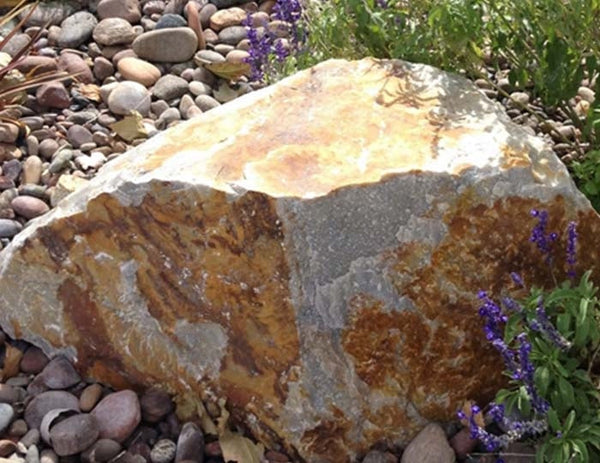
Pick boulders that match the scale of your yard, group them in odd numbers with varied sizes, and bury about a third of each one so it looks settled. Here is how to choose and order.
Beach Pebbles vs. River Rock
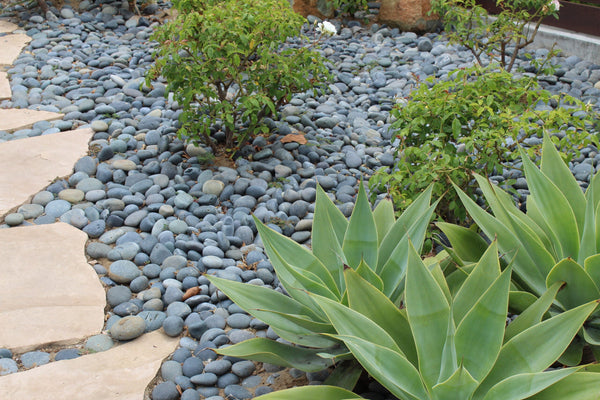
Beach pebbles are smooth, rounded, and uniform for a clean modern look in pots, beds, and water features. River rock is naturally tumbled with more color and size variation, which suits dry creek beds and broad ground cover. Here is how to pick.
How to Choose Wall Rock and Building Stone
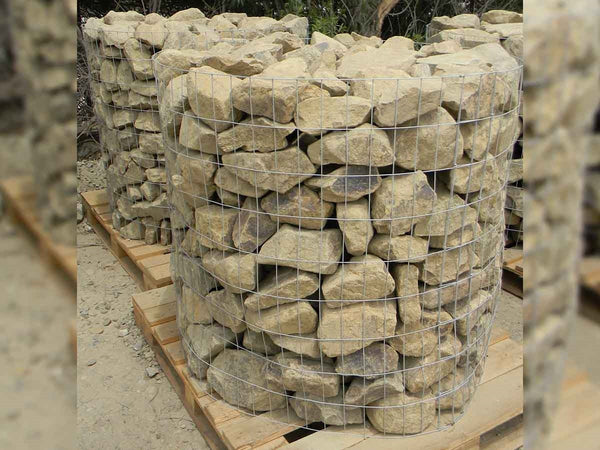
Wall rock is the broken and quarried stone used to build dry-stacked, retaining, and gabion walls. Pick a flat, blocky shape, set it on a firm base, lean it back, and drain behind it. Here is how.
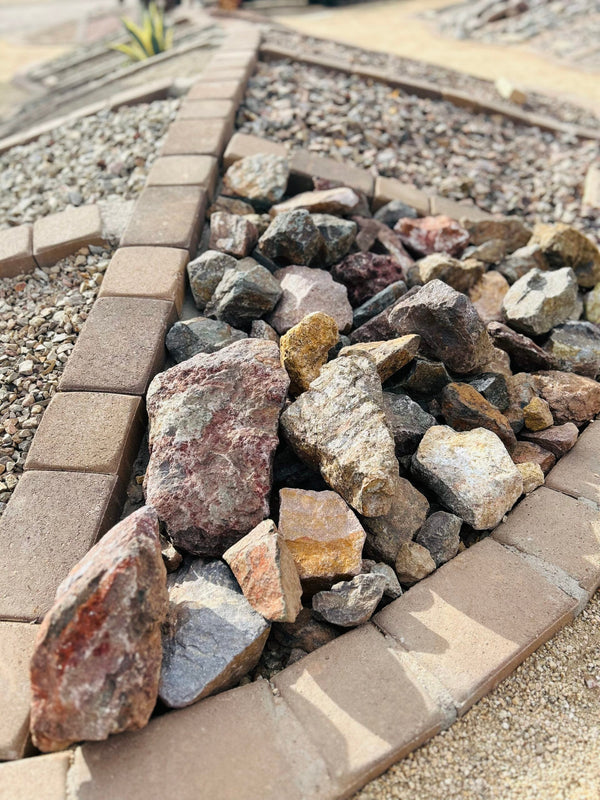
Rip Rap: A Guide to Erosion Control and Sizing
Rip rap is large angular rock that armors soil against moving water. The right stone size depends on the job, from light landscape runoff up to channels and shorelines. Here is how to size and install it.
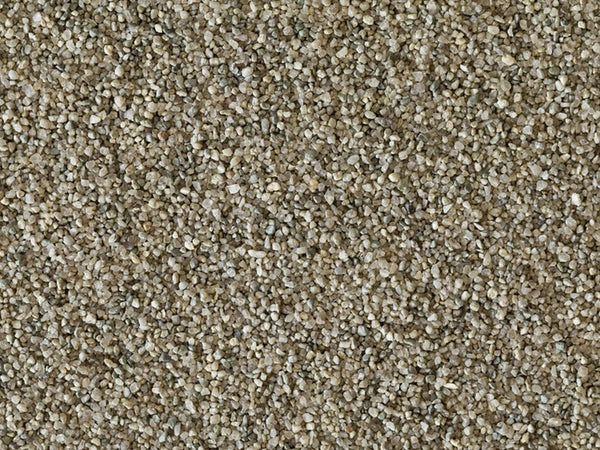
Types of Sand for Landscaping
Not all landscaping sand is interchangeable. Bedding sand goes under pavers, masonry sand goes in mortar, fill sand backfills and levels, play sand goes in play areas, and joint sand locks paver gaps. Here is how to pick the right one.
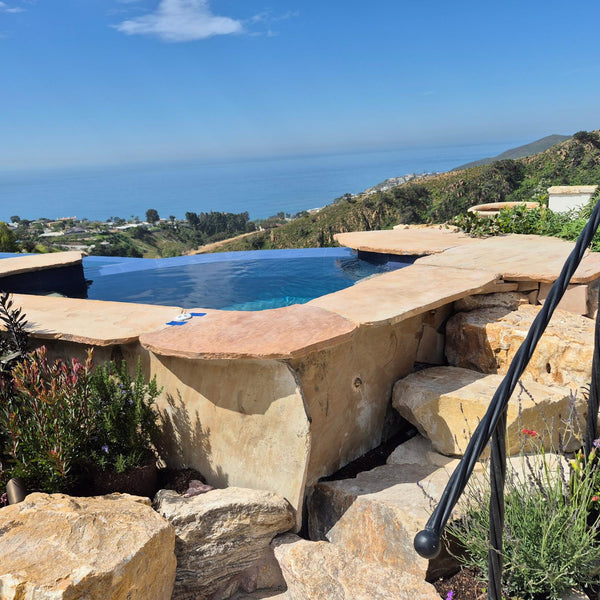
How Much Flagstone Do I Need?
Flagstone is sold by the ton or pallet. Measure your patio area; one ton covers roughly 80 to 120 square feet depending on thickness. Plan joint spacing and add about 10 percent for cuts and breakage.
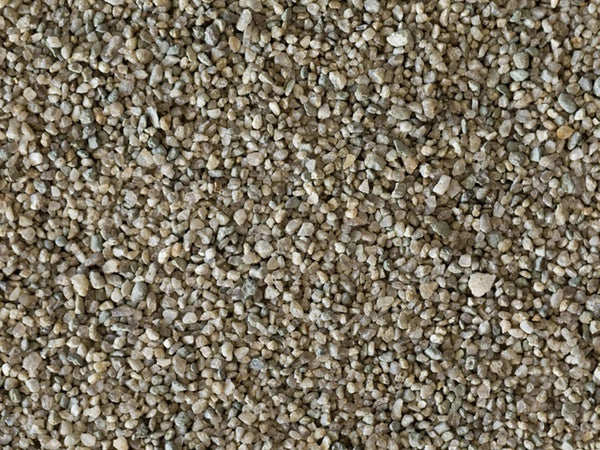
How Much Sand Do I Need?
It depends on the sand and the job. Bedding sand under pavers runs about 1 inch deep (1 ton covers roughly 80 to 100 sq ft). Play sand goes much deeper, often 6 to 12 inches. Joint sand is separate.
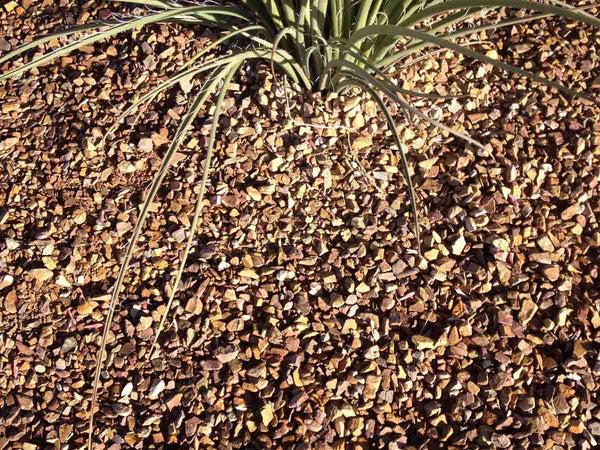
How Much Landscape Rock Do I Need?
Find your square footage with length times width, choose a depth based on the job, and convert to tons or cubic yards. About 2 inches for decorative cover, 3 to 4 inches for paths and base.
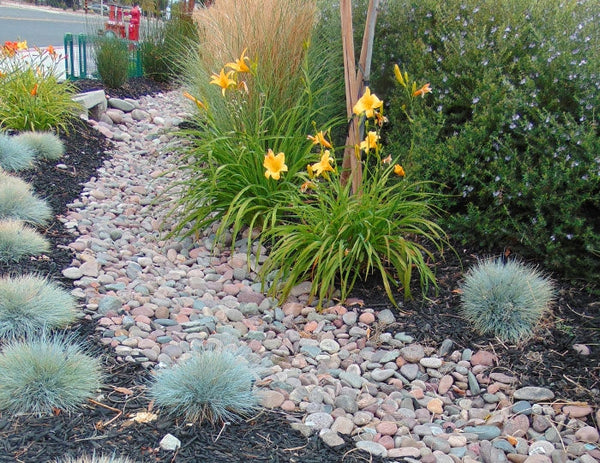
How Much River Rock Do I Need?
Measure length times width for square footage, plan on 2 to 3 inches deep, and figure roughly 1 ton of river rock per 70 to 90 square feet at 2 inches. Bigger stone covers less.
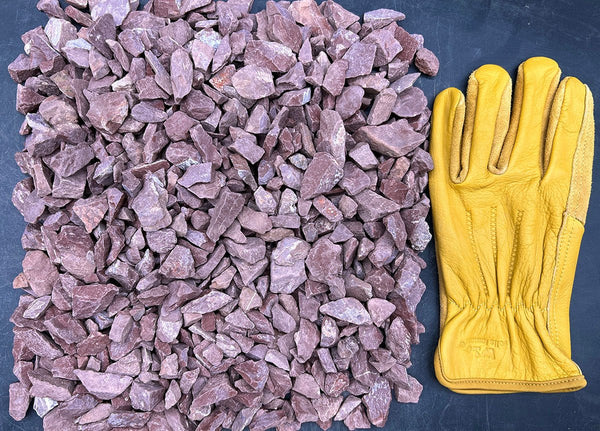
Landscape Rock Sizes Explained
Landscape rock sizes run from fine decomposed granite up to boulders. The size you pick sets the job it does and how deep to spread it. Here is a size-by-size guide.
Cubic Yards vs. Tons: A Landscape Material Guide
A cubic yard measures volume; a ton measures weight. Rock and DG are usually sold by the ton, mulch and soil by the cubic yard. For most rock, figure roughly 1.3 to 1.5 tons per cubic yard.
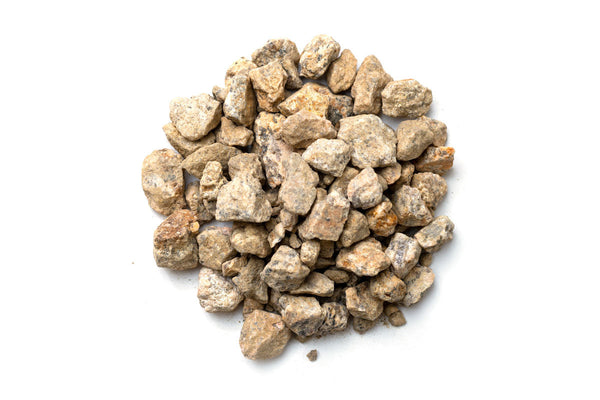
Decomposed Granite vs. Gravel
Decomposed granite packs into a firm, natural path surface. Crushed gravel and road base stay loose and drain hard, which is what you want under driveways and for drainage. Here is how to choose.
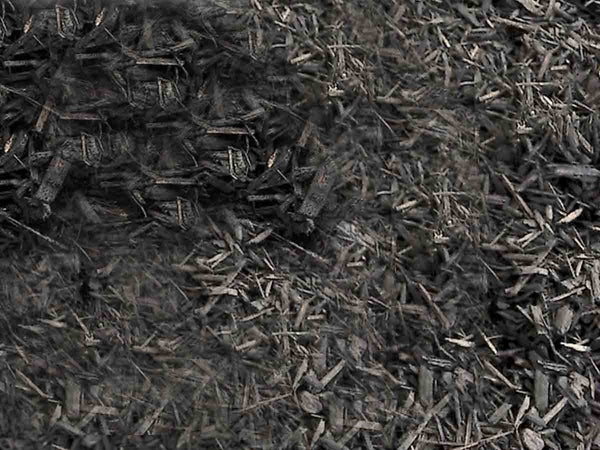
Decomposed Granite vs. Mulch
Mulch feeds the soil and breaks down over a year or two, so you refresh it. Decomposed granite is a firm, near-permanent surface that does not improve soil. Many yards use both.
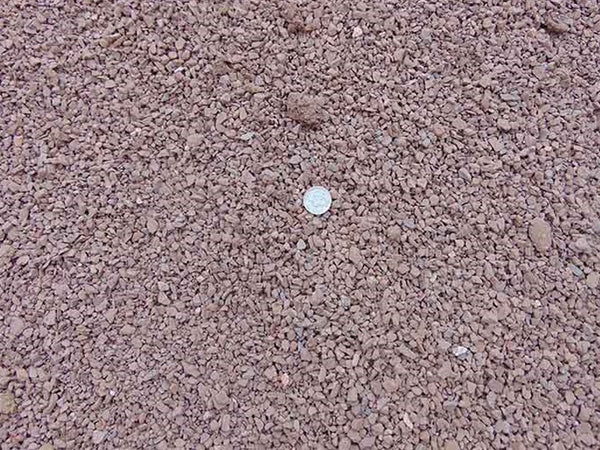
Best Decomposed Granite for Driveways
Decomposed granite can make a good driveway when it is installed right. For vehicle traffic, use stabilized DG over a compacted road base, graded for drainage and held in place with edging.
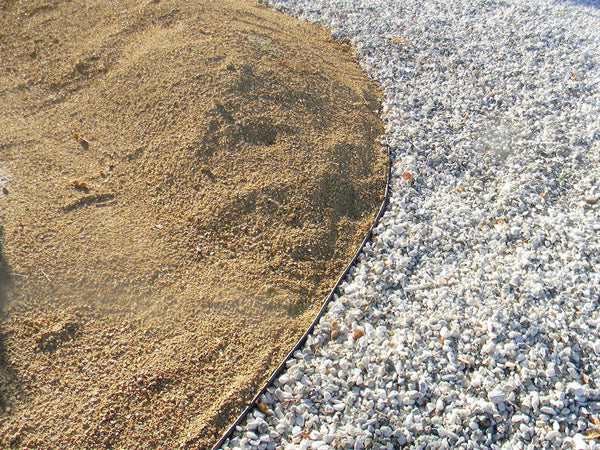
Best Decomposed Granite for Pathways
For most pathways, 1/4-inch minus decomposed granite is the best choice. Use stabilized DG where the path needs to stay firm and not track, and loose DG for casual, lighter-use paths where you want to save money.
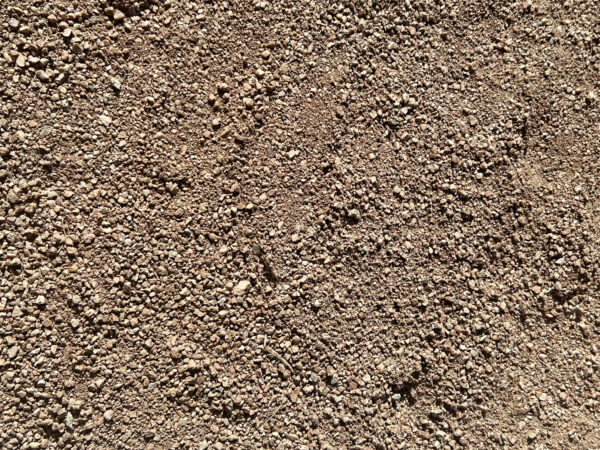
Decomposed Granite Colors: How to Choose the Right One
Decomposed granite comes in gold, tan, brown, red, gray, and buff color families. The right one matches your house and hardscape, and the only reliable way to choose is to order a physical sample first.
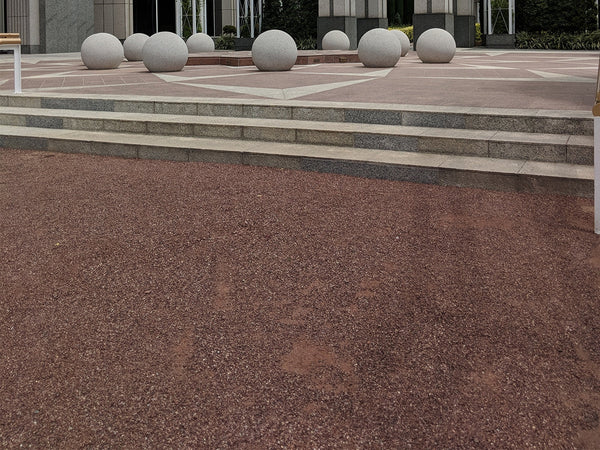
What Is Decomposed Granite?
Decomposed granite is weathered granite that has broken down into a mix of small gravel and sandy fines. It is a natural, permeable, budget-friendly surface for paths, patios, and planting beds.
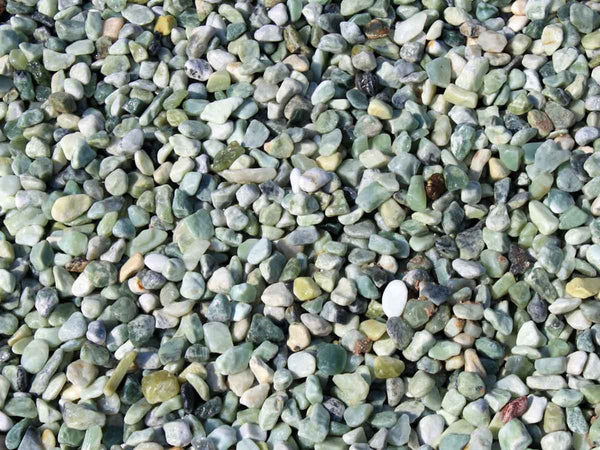
Green Stone and Rocks for Your Yard: Color Ideas That Pop
From green decomposed granite to jade pebbles, green boulders, and sage flagstone, here are the best green landscape rocks to add natural color to your yard.
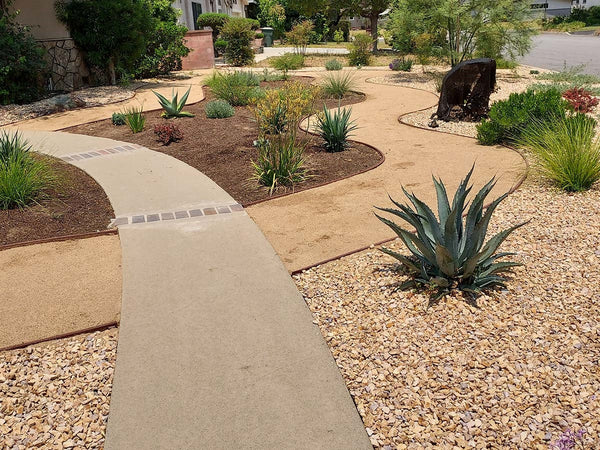
What Type of Landscape Rock Is Good for Walking Paths?
Decomposed granite, crushed gravel, and pea gravel all make great walking paths. Here is how to choose the right landscape rock for a firm, comfortable, good looking path.
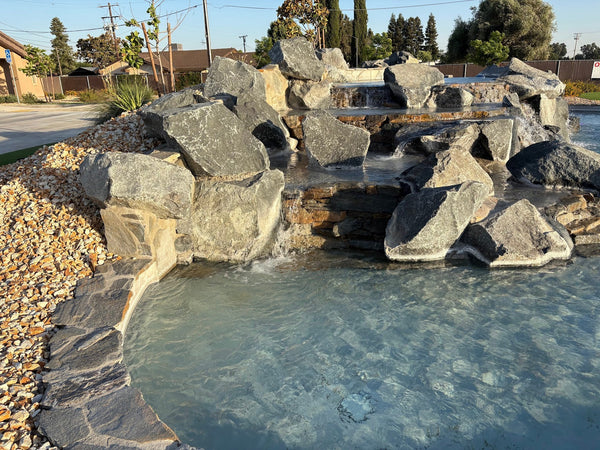
5 Landscape Rock Projects to Upgrade Your Yard
Five doable weekend rock projects: a gravel path, a dry creek bed, a boulder accent grouping, a fire-pit seating area, and a rock mulch refresh. Each with steps and the rock to use.
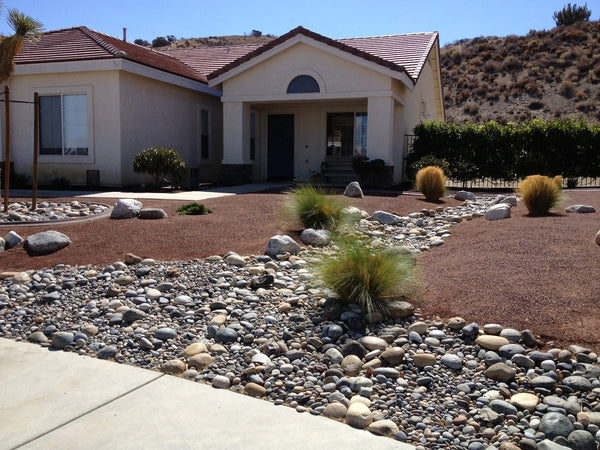
Landscape Rock Maintenance: Keeping Rock Looking New
A simple maintenance schedule for landscape rock: rinsing off dust, clearing leaves, pulling weeds, refreshing edging, and topping up thin areas to keep rock looking new.
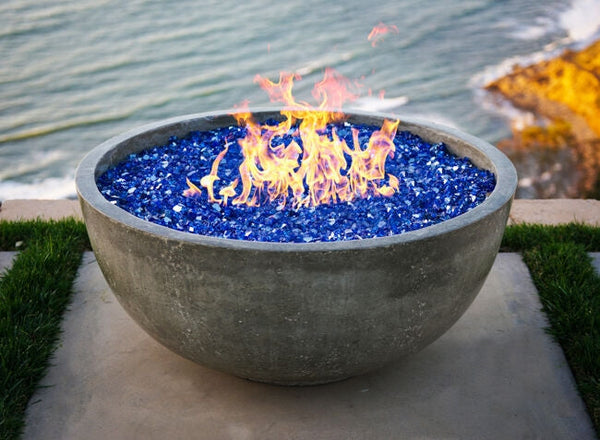
Fire Glass for Fire Pits and Features: A Buyer's Guide
Fire glass reflects flame in a gas fire pit without burning or ash. How much you need, what size to buy, and how to use and clean it safely.
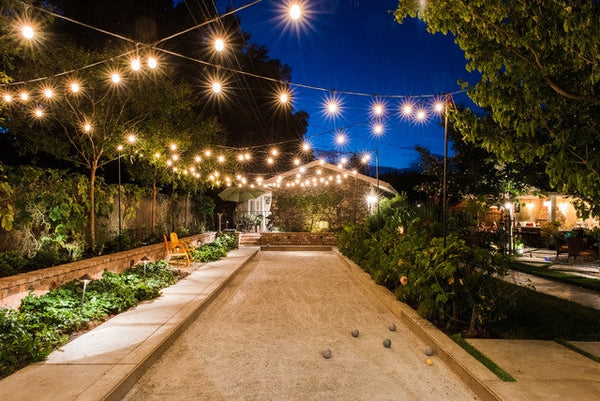
How to Build a Bocce Court: A Step-by-Step Guide
Build a backyard bocce court step by step: court size, base layers, the best playing surface, and how to compact it level for a true roll.
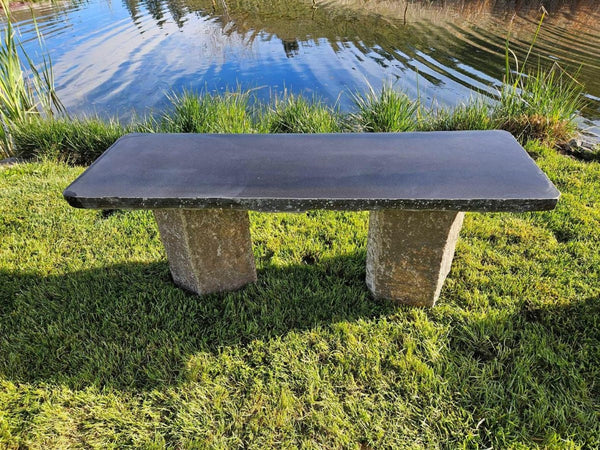
Boulder Benches: Natural Stone Seating for Your Yard
Use a flat-topped boulder as durable, no-maintenance outdoor seating. How to choose the right stone, set it level and safe, and pair it with ground cover.
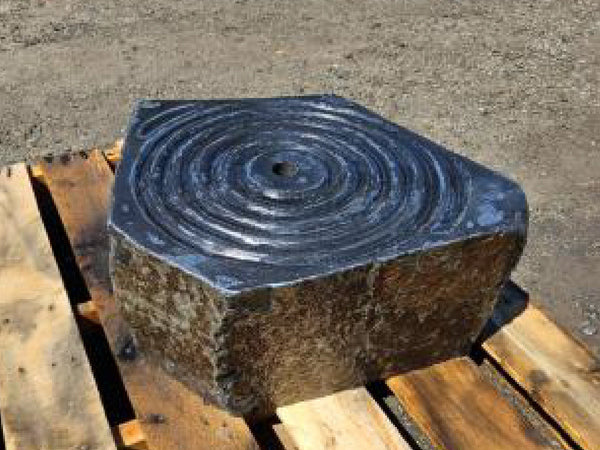
Natural Boulder Fountains for the Garden
What a drilled-core boulder fountain is, why people add one, how the basin and pump work, and how to choose the right boulder size.
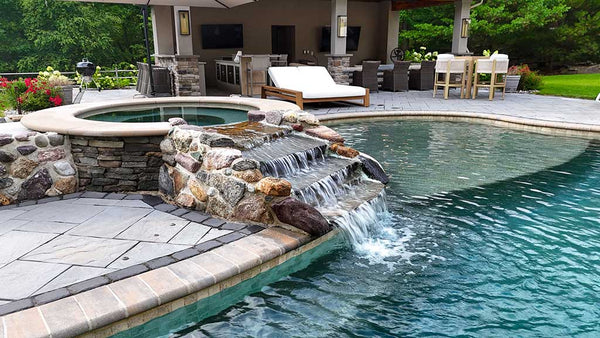
Best Landscape Rock for Pool Areas
The best rock for a pool area: boulders for focal points, smooth river rock and pebbles for beds, and fire glass for fire features. Here is what to use, what to avoid, and how to keep it cool and clean.
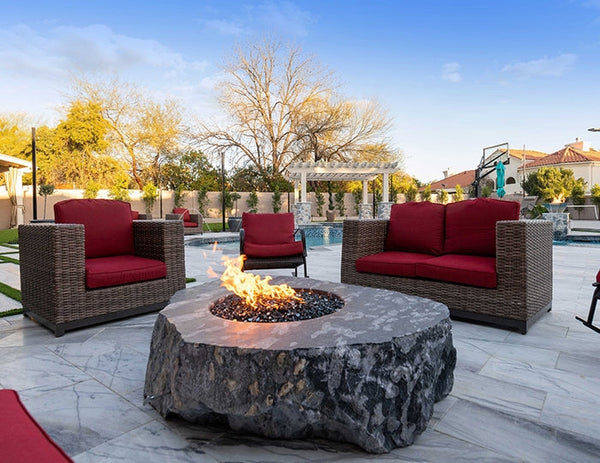
Small-Space Rock Landscaping Ideas
Make a small yard, side yard, or courtyard work with rock. Gravel floors, a single accent boulder, a compact dry creek, and design tricks that make a small space feel larger.
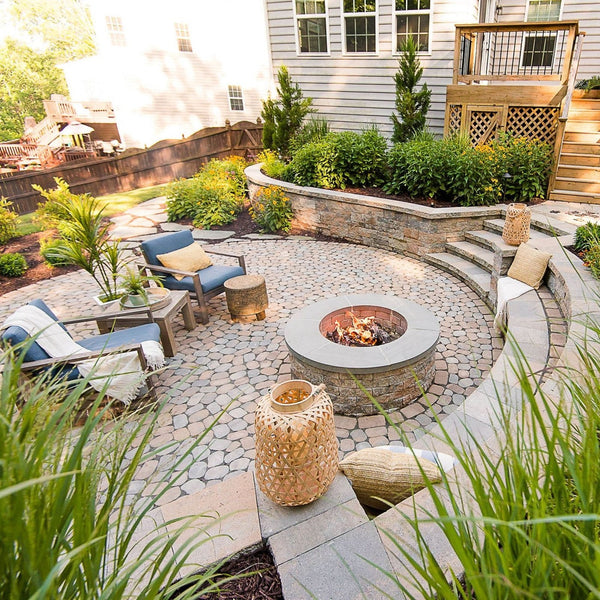
How to Make a Zen Garden With Landscape Rock
Build a Japanese-style zen garden with raked decomposed granite, a few well-placed boulders, and pebble borders. Here is how to lay it out and keep it calm.
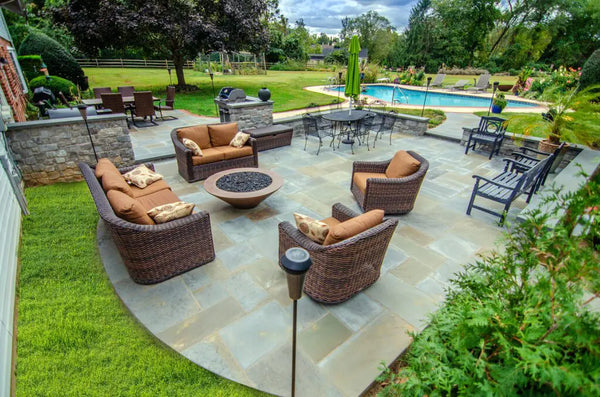
Spring Refresh: Reviving Your Rock Garden After Winter
A spring checklist to revive a rock garden after winter: rinse and rake to brighten color, pull weeds early, re-level paths, refresh mulch, fix edging, and test a new accent.
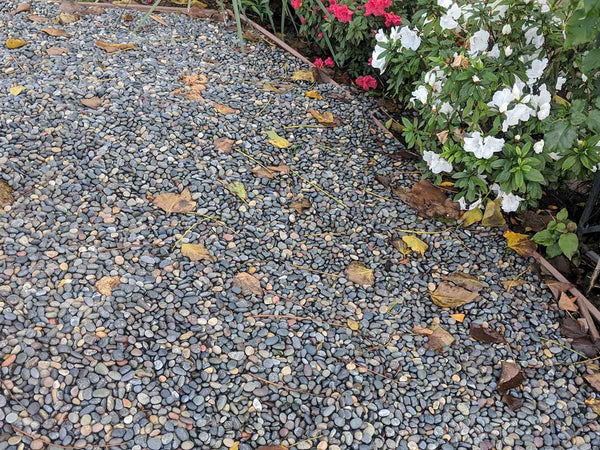
Best Rocks for a Succulent Garden
The best rocks for succulents are fine decomposed granite top-dressing, pebbles for ground cover, and boulders for structure. Here is how drainage and sizing keep your plants healthy.
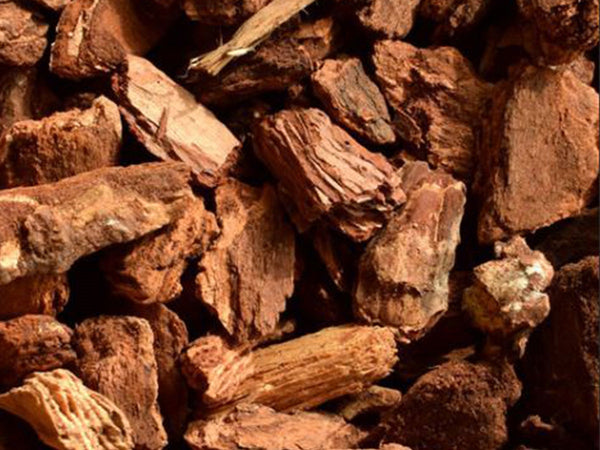
Landscaping With Bark Mulch: Benefits and Best Uses
Bark mulch holds moisture, blocks weeds, steadies soil temperature, and feeds the soil. Here are its benefits, the best places to use it, how deep to lay it, and the mulch versus rock tradeoffs.
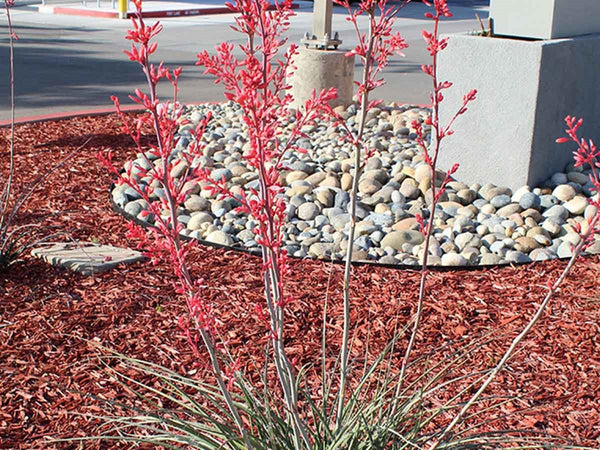
How Much Bark Mulch Do I Need? A Coverage Guide
One cubic yard of bark mulch covers about 100 square feet at 3 inches deep. The formula, a coverage table, how deep to spread, and how often to refresh.
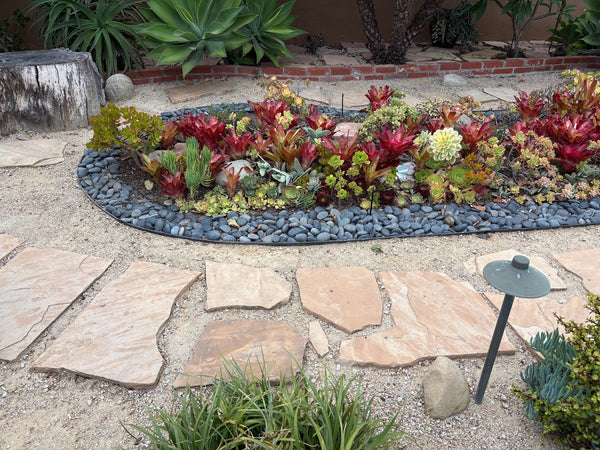
Using Rock Around Plants and Garden Beds
How to use rock and pebble as bed cover and borders: weed suppression, moisture, clean edges, and which stone fits which planting bed.
No guides match that search. Try another term or category.