

Backyard patio
Flagstone or gravel on top, four inches of compacted base underneath.
Size your project then pick a material on each shelf below. Your running total stays at the bottom of the screen and updates as you choose.
Patio length and width in feet. Odd shape? Add the rectangles, or enter total square feet as length with width 1.
A patio that never rocks or heaves is 4 inches of compacted road base first. On top, flagstone set in an inch of bedding sand, or a 3 inch gravel patio for a looser, lower-cost surface. Size it here, pick the surface, and the base and sand are figured for you. Pavers are the third option; we carry them by the pallet.
Patio surface
Flagstone is figured at about 80 square feet per ton. Gravel is figured 3 inches deep.
Compacted base
Two 2 inch lifts, compacted wet, under either surface.
Bedding sand (flagstone only)
Screeded flat under flagstone. Untick for a gravel patio.
Do not forget
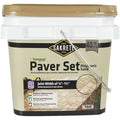
How to build it
- Excavate 7 to 8 inches below finished height and slope 1/8 inch per foot away from the house.
- Compact road base in two lifts to 4 inches.
- Flagstone: screed 1 inch of sand, set the stones, sweep polymeric sand into the joints. Gravel: spread 3 inches and rake level inside edging.
- Mist polymeric sand joints and keep foot traffic off for a day.
Questions
Flagstone or gravel for a patio?
Flagstone is a permanent, furniture-friendly surface and costs more per square foot. A gravel patio is a third of the cost, drains instantly, and suits fire pits and casual seating.
How much flagstone does a patio need?
About one ton per 80 square feet for 1 to 2 inch patio stone. A 12 by 16 patio is roughly 2.5 tons plus base and sand.
Can I lay flagstone on sand alone?
On soil, no: without compacted base the stones settle unevenly within a year. Base first, then sand, then stone.